

Why Are Shiba Inus Naturally Cautious?
Updated: Aug 26
Instinct, Socialization, and Behavior Explained
Thinking about living with a Japanese Shiba Inu?
As a Japanese breeder specializing in authentic Shiba Inu puppies, we believe that understanding the breed's personality is just as important as appreciating its appearance. Every puppy is raised with careful attention to health, temperament, and early socialization before joining families around the world.
This article explores one aspect of Shiba Inu behavior and daily life to help you better understand what it is like to live with this remarkable Japanese breed.
If you are looking for an authentic Japanese Shiba Inu puppy, we invite you to explore our available puppies and learn more about our breeding program.
Introduction
Shiba Inus are known for forming deep bonds with their families, while remaining cautious toward strangers and unfamiliar situations.
This natural behavior is sometimes misunderstood as shyness or difficulty, but in reality, it is not a problem at all.
The Shiba Inu’s cautious nature is a refined instinct shaped by generations of survival, hunting heritage, and early-life experiences.
In this article, we explore why Shiba Inus are naturally cautious, through instinct, history, ethology, and socialization.
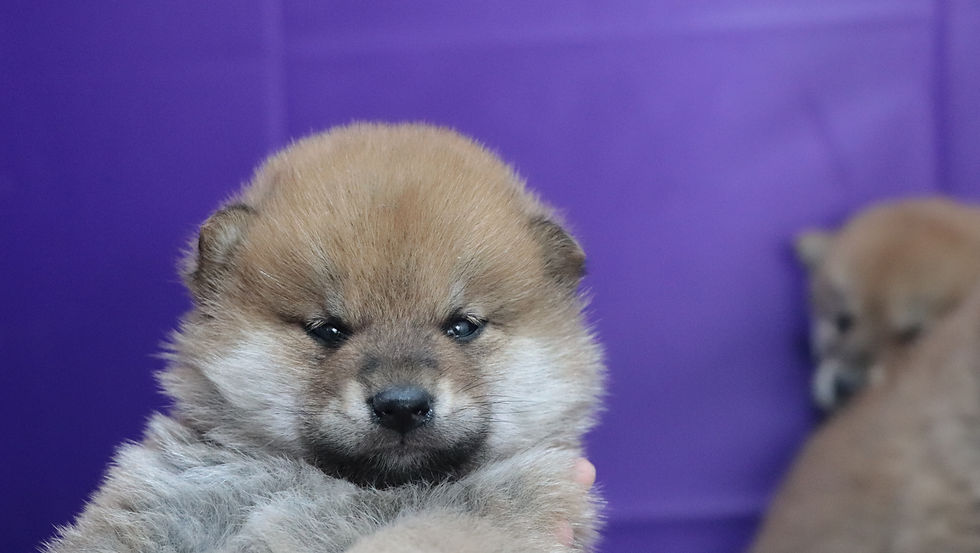
1. Caution as a Core Trait of Japanese Dogs
Japanese native dogs were historically expected to detect danger early—
unfamiliar people, wild animals, or subtle changes in their surroundings.
In rural Japan, approaching without observation could be dangerous.
As a result, Japanese dogs, including the Shiba Inu, developed the habit of watching first, acting later.
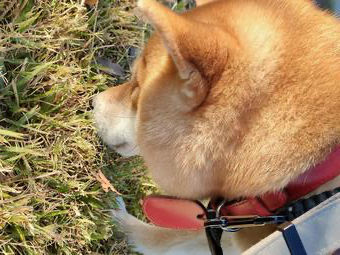
This explains why Shiba Inus often:
Keep distance during first encounters
Observe quietly before trusting
Do not show indiscriminate friendliness
This behavior reflects calculated judgment, not fear.
2. The Shiba Inu’s Hunting Background and Vigilance
Originally bred as small-game hunting dogs, Shiba Inus often worked alone in dense forests and mountainous terrain.
In such environments:
Visibility is limited
Sudden movement can mean danger
Careful observation is essential
Shiba Inus learned to pause, assess, and decide independently.
Their caution is therefore a sign of high situational awareness, not timidity.
3. Ethology: Understanding Caution vs. Fear
Canine ethology clearly distinguishes between caution and fear:
Caution: calm observation and information gathering
Fear: emotional distress leading to avoidance or aggression

A healthy Shiba Inu is usually cautious, not fearful.
Problems arise when humans rush interactions, force physical contact, or suppress behavior through punishment—turning healthy caution into fear.
4. Socialization Shapes the Quality of Caution
While caution is innate, how it appears depends heavily on experiences during the critical socialization period (8–12 weeks).
Appropriate exposure → calm confidence
Insufficient experience → excessive suspicion
Forced interaction → fear-based reactions

For Shiba Inus, socialization does not mean becoming friendly with everyone.
It means learning to observe safely and build trust at their own pace.
5. Caution in the Modern Family Environment
Even as companion dogs, Shibas retain their natural vigilance.
Their cautious behavior often reflects:
Awareness of territory
Sensitivity to emotional atmosphere
Ability to avoid unnecessary conflict
Respecting this trait leads to a more stable and confident Shiba Inu.
Conclusion
The Shiba Inu’s cautious nature is shaped by:
Japanese rural history
Hunting instincts
Advanced situational judgment
Early-life experiences
It is not a weakness, but a refined survival trait.
To truly understand the Shiba Inu, we must learn to respect this instinctive caution.
Thank you for taking the time to read this article.
At ShibainuBreeders.jp, we believe that understanding the Japanese Shiba Inu means appreciating not only its appearance, but also its history, temperament, and the culture that has shaped this remarkable breed for generations.
As breeders based in Japan, our mission is to preserve the authentic Japanese Shiba Inu through responsible breeding, careful health management, and respect for the traditional NIPPO standard. We are honored to introduce these wonderful dogs to families around the world while sharing the values and heritage behind Japan's native breed.
If you would like to continue learning about the Japanese Shiba Inu or are considering welcoming one into your family, we invite you to explore the pages below.
Continue Exploring
Whether you are here to learn, to explore, or to begin your journey toward owning an authentic Japanese Shiba Inu, we are grateful to share our knowledge and experience with you.
Our goal is not simply to raise puppies, but to preserve the heritage of the Japanese Shiba Inu and build lifelong relationships with families around the world.
Thank you for visiting ShibainuBreeders.jp.


Comments