

Soft Undercoat and Tough Outer Coat — How the Double Coat Helps Nihon Ken Adapt to All Four Seasons

1. What Is the “Double Coat” in Nihon Ken?
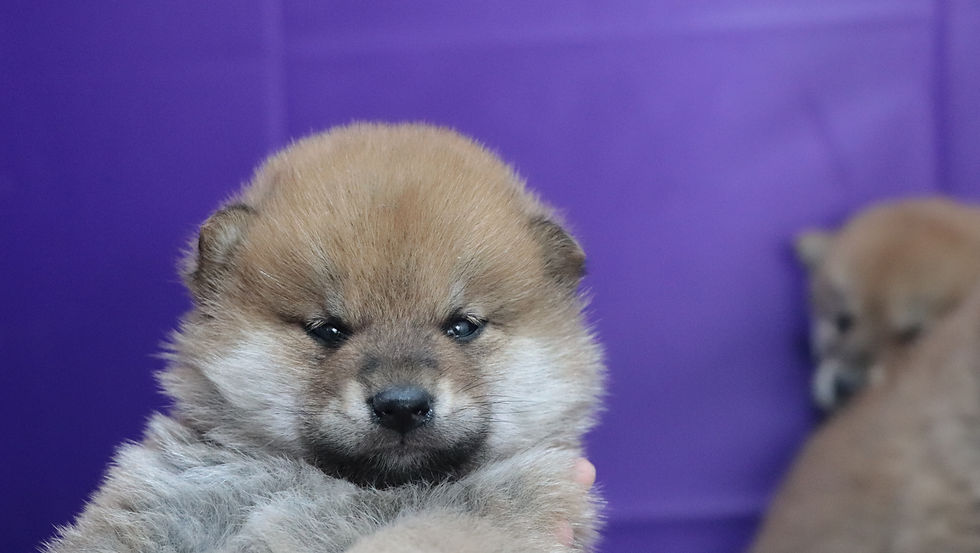
One of the defining features of Japan’s native dog breeds—like the Shiba Inu, Akita Inu, and Kishu Ken—is their double coat.
This means their fur is made up of two distinct layers: a coarse, straight outer coat (also called “guard hairs”) and a soft, dense undercoat (or “downy coat”).
This structure evolved perfectly to suit Japan’s seasonal climate, with its wide fluctuations in temperature and humidity.
The undercoat traps warmth during the cold winters, while in the summer, the coat allows excess heat to escape—acting much like natural insulation.
2. The Role of Each Layer
The double coat is more than just beautiful—it’s a functional design.
Outer Coat (Guard Hairs):
Straight, coarse texture
Repels water and protects the skin from dirt and external irritants
Expected to be vibrant in color and highly valued in breed standards
Undercoat (Downy Fur):
Soft and extremely fine
Acts as thermal insulation to retain body heat
Grows thick in winter, then sheds heavily in warmer months
Thanks to this undercoat, Nihon Ken can comfortably spend time outdoors even in snowy winter conditions.

3. Shedding Season — A “Harvest” of Fur Twice a Year
If you’ve ever lived with a Nihon Ken, you’re no stranger to shedding season.
Twice a year—in spring and autumn—the undercoat sheds in great amounts.
So much fur falls out that owners often joke: “You could build another Shiba Inu with all this hair!”In spring especially, the dense winter coat is replaced by a lighter summer coat as the weather warms up.
Shedding is not just a seasonal event—it’s a sign of health.
A dog that sheds properly is showing that its body can regulate temperature effectively.
With proper brushing during this period, you'll be amazed how much fur comes off!

4. Life in the City — How Indoor Living and Air Conditioning Affect the Coat
Today, the lifestyle of Nihon Ken has changed drastically.
Unlike the past, when they were kept outdoors as guard dogs, many are now fully indoor pets.
But here’s the catch: indoor living can disrupt their natural seasonal rhythm.
In Japan’s hot and humid summers also pose a risk.
A wet or trapped undercoat can cause skin irritation or infection.
That’s why regular brushing and bathing are essential to maintain airflow and skin health.

5. Grooming Tips and Things to Watch Out For
While the natural beauty of a Nihon Ken’s coat is stunning, it doesn’t maintain itself.
Without proper care, loose fur can build up, causing tangles or skin issues.
Here are some grooming tips:
During shedding season: brush 2–3 times a week
→ Use a specialized undercoat rake or deshedding tool
Outside of shedding season: once a week is enough
Bathing once a month is ideal
→ Use a gentle dog shampoo to avoid stripping natural oils
Important: The outer coat is tough and doesn’t shed easily. Pulling on it too hard can cause breakage or pain.
Always focus on gently removing the undercoat, not forcefully yanking at the top layer.
Rough brushing can also make your dog dislike grooming altogether.

6. There’s a “Perfect Look” for the Coat, Too
According to the official Nihon Ken standard, the ideal coat has a straight, coarse outer layer with rich, vivid color, and a soft, pale undercoat that’s densely packed.
This concept of "vivid color" refers to a rich, unclouded hue with depth and clarity.
In breed shows, this is a major factor in judging.
Among Shiba Inu, for example, red and black are the most common coat colors.
The contrast between the red outer coat and the white undercoat in red Shiba Inus creates a striking appearance.
In Conclusion: Understand the Coat, and You’ll See a New Side of Nihon Ken
The beauty of Nihon Ken goes beyond appearance—it's deeply tied to their functional, natural design, shaped by Japan’s climate and culture.
The double coat is a perfect example of that harmony.
So next time you pick up a brush, don’t think of it as a chore.
Think of it as a way to connect with the seasons, nature, and the timeless elegance of Japan’s native dogs.


Comments