

Japanese Dogs and Regional Identity — How Six Native Breeds Reflect Japan’s Climate and Culture
- Aug 29, 2025
- 5 min read

Introduction
When you hear the term “Japanese dog,” which breed comes to mind first? For many people, it’s likely the Shiba Inu. But Japanese dogs are not limited to the Shiba; there are six officially recognized native breeds designated as natural monuments of Japan: the Hokkaido, Akita, Kai, Kishu, Shikoku, and Shiba.
Each of these breeds is deeply rooted in a specific region of the Japanese archipelago, adapting to local environments and ways of life. Some were forged in rugged mountain hunting grounds, while others developed thick coats to endure snowbound winters and extreme cold.In this article, we’ll explore these six breeds through the lens of regional identity, and see how they evolved alongside both nature and human culture.

1. Hokkaido Inu — The Northern Guardian that Faced the Bear
The Hokkaido Inu traces its roots back to hunting dogs kept by the Matagi, hunters of northern Honshu and Hokkaido, and was also raised by the indigenous Ainu people. For this reason, it was long known as the “Ainu Dog.”
With its dense double coat, the Hokkaido Inu is built for sub-zero winters, maintaining body heat even in temperatures below –20°C. Agile and resilient, it could move with ease across snowy fields.
What sets this breed apart is its role in bear hunting. The Hokkaido brown bear, weighing over 300kg, is Japan’s largest land mammal and a formidable threat. Hokkaido Inus did not take on such beasts alone; instead, they worked in packs, harassing and distracting the bear until hunters could deliver the final blow. Their courage and loyalty earned them respect—among the Ainu, they were sometimes called Seta Reep (“the crawling one”), a title of reverence.
Though originally bred as hunting dogs with keen senses and sharp instincts, today they also show a calm, affectionate side within family life. Among Japanese breeds, their toughness in extreme environments is unmatched.

2. Akita Inu — The Stately Dog of the Snow Country
The Akita Inu is the only large breed among Japanese dogs. Developed in the snowy Akita region, it was used to hunt bears and deer, requiring both a thick, insulating coat and a sturdy frame to keep up with hunters in harsh winter landscapes.
The breed also has a history in dog fighting. During the Edo period, Akita samurai bred them to be larger and more powerful for contests of strength, shaping the heavy build we see today.
Worldwide, the Akita is best known for the story of Hachikō, who waited faithfully for his deceased owner at Shibuya Station for nine years. This tale of loyalty transformed the Akita into an international symbol of devotion, making it one of the most popular Japanese breeds abroad.
Akitas are intelligent, patient, and affectionate with their families. Yet their guarding instincts remain strong, making them wary of strangers or other dogs. This balance of gentleness and resolve reflects their dual history as hunting companions and loyal protectors.

3. Kai Ken — The Tiger-Striped Hunter of Yamanashi
Originating in the mountainous Yamanashi Prefecture, the Kai Ken was prized for hunting deer and wild boar. Its most distinctive trait is the tiger-striped coat (tora-ge), a brindle pattern that camouflaged it among the trees and undergrowth.
Because the Kai developed in an isolated mountain environment, it remained largely free of crossbreeding and is considered one of the purest Japanese breeds. In 1934, it was declared a national monument as the “typical mountain hunting dog.”
The Kai is fearless, deeply bonded to its owner, and famously wary of strangers. During World War II, it was even used as a military dog. Its agility, stamina, and leap have earned it the nickname “Ninja Dog” overseas, a nod to its stealth and skill in rugged terrain.

4. Kishu Ken — The Determined Boar Hunter
Native to the mountains of Wakayama and Mie, the Kishu Ken is renowned for its ability to take on wild boars. Quick and aggressive, boars are dangerous prey, but the Kishu’s muscular frame and indomitable spirit made it an ideal hunting partner.
One legend ties the Kishu to a wolf: the tale of “Yatarō and Man,” in which a hunter raised a wolf cub named Man, said to have passed its blood into the Kishu line.
Over time, white coats became the standard, since hunters preferred dogs that were more visible in dense forests. Though still used for hunting in some regions, today the Kishu is also kept as a watchdog or companion, known for its loyalty, independence, and stubborn but honest nature—traits that embody the spirit of the Japanese dog.

5. Shikoku Ken — The Agile Hunter of the Mountains
The Shikoku Ken was developed in the mountainous regions of Kōchi Prefecture, where agility and stamina were essential for pursuing boar and deer. Its athletic build and sharp reflexes made it a favorite among hunters navigating steep, forested terrain.
Like many Japanese breeds, the Shikoku is intensely loyal to its owner but wary of outsiders, earning it the title of “one master for life” dog. Resembling the Shiba but larger and more rugged in appearance, it carries a distinctly wild beauty.
Though still relatively unknown outside Japan, the Shikoku is gradually gaining recognition overseas for its spirited yet devoted nature.

6. Shiba Inu — The Little Hunter Loved Worldwide
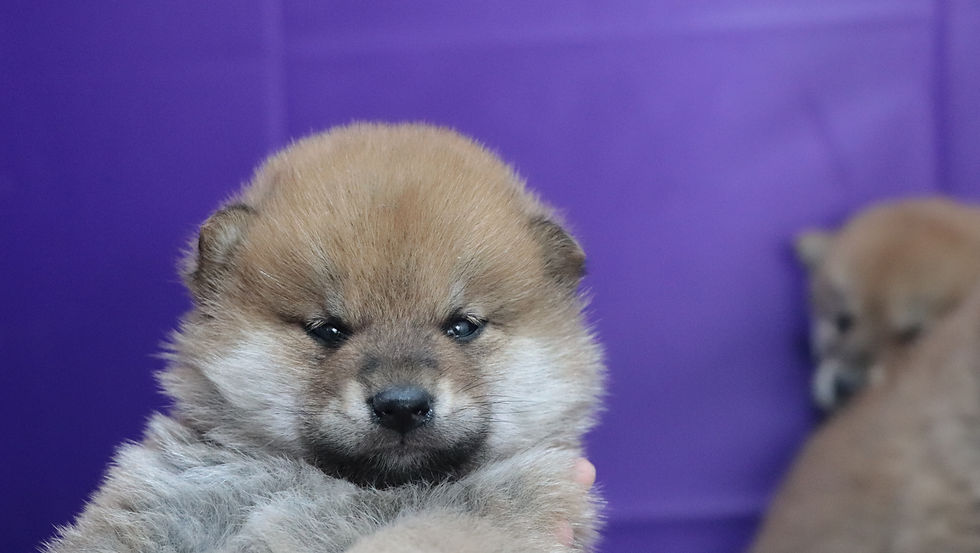
The Shiba Inu is the smallest and oldest of Japan’s native breeds. Once divided into regional strains such as the Shinshū, Mino, and San’in Shibas, it served as a hunting dog for small game and birds across rural Japan.
Compact, alert, and spirited, the Shiba was equally valued as a watchdog in villages. In modern times, it has become Japan’s most popular companion dog, and internationally it enjoys enormous fame—thanks in part to internet culture, where “Shiba Inu” has become a household name.
Its charm lies not only in its foxlike looks but also in its character: independent yet affectionate, stubborn yet loyal. The Shiba embodies the essence of the Japanese dog—spirited, self-reliant, and bonded deeply to its family.
Conclusion: Diversity Born of Land and People
As we’ve seen, each of the six Japanese breeds evolved in close connection with its region. The Hokkaido and Akita adapted to the snow and cold, the Kai, Kishu, and Shikoku honed their skills in the mountains, while the Shiba thrived as a companion to farmers across the country.
Together, they reflect the rich natural environments of Japan and the diverse ways people lived alongside them. Their individuality, shaped by climate, terrain, and culture, is what makes Japanese dogs so distinctive and admirable.
By appreciating their history and regional roots, we not only see their beauty more clearly but also deepen our bond with them as companions in the present day.


Comments