

Japanese Dogs in Okutone, Mikuni Pass, and Okuchichibu — A Regional Survey
- Sep 15, 2025
- 2 min read
From ancient times, Japanese dogs have lived alongside people in the mountains and rural areas, supporting both hunting and daily life. A survey conducted in the early Showa period recorded the dogs observed in regions such as Okutone, Mikuni Pass, and Okuchichibu. These notes reveal not only the variety of dogs but also their close relationship with local communities.

⸻
Okutone — Native Dogs of the Mountain Region
In 1933, researchers visited Mizukami Village in Gunma Prefecture, where they observed local dogs. Their coats varied from brown to white and brindle, with most being small to medium in size and often mixed-breed. Some had tightly curled tails, while others had drooping ears, showing a wide range of appearances.
For the mountain villagers, these dogs were essential partners in hunting and guarding, adapting to the rugged landscape.
⸻
Mikuni Pass — Dogs Linking Echigo and Joshu
In the Itakura area of Niigata Prefecture, many dogs were kept by hunters. They were sturdy, with strong builds, and their coats were often dark brown or black sesame.
Curled tails were common, but drooping ears were also noted, highlighting the diversity of Japanese dogs in the region.

⸻
Okuchichibu — Dogs and Hunting Culture
In Okuchichibu, dogs were inseparable from local hunting traditions. Hunters relied on them for boar hunting and even nighttime hunts. The dogs observed were mostly medium-sized, with brown or black-sesame coats and curled tails, giving them a sharp, vigorous appearance.

⸻
Diversity and Local Identity
These surveys show that Japanese dogs were not uniform but carried distinct regional traits while remaining closely tied to human life.
The mixed-breed dogs of Okutone, the powerful black-sesame dogs of Mikuni Pass, and the keen hunting dogs of Okuchichibu each reflected the natural environment and culture of their region.

⸻
Conclusion
The records from Okutone, Mikuni Pass, and Okuchichibu remind us of the diversity of Japanese dogs and their deep connection to local traditions.
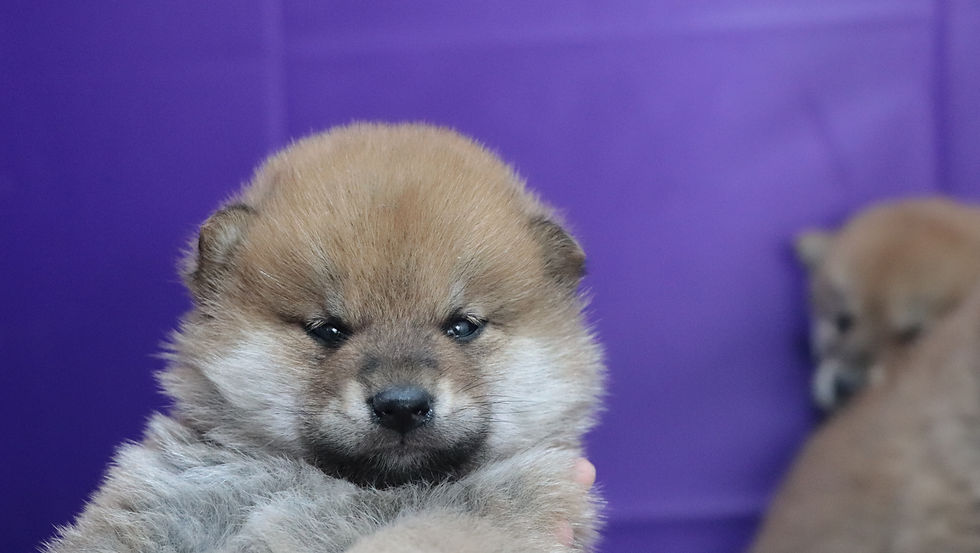
Today, Shiba Inu and other native breeds are loved worldwide. Their roots lie in these regional dogs, shaped by centuries of companionship, hunting, and adaptation to Japan’s varied landscapes.


Comments